
The 2026 Global Top nonstop pallet Packaging Trends Report released by Innova Market Insights shows that “Evidence-Based Sustainability” ranks first among the top five trends – environmental claims have shifted from a marketing concept to a mandatory compliance requirement on printing pallet. All sustainability statements must be supported by real, verifiable data and authoritative certifications.
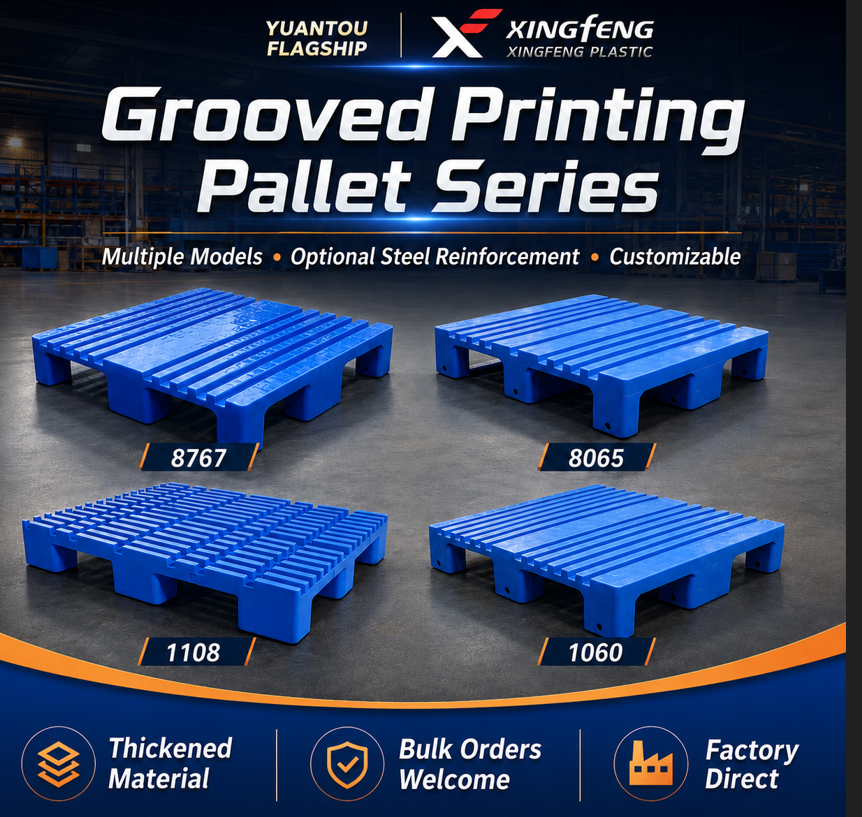
The pressure from the policy side is more direct. On March 1, 2026, the new “Environmental Air Quality Standards” was officially implemented, comprehensively tightening the emission limits for PM2.5 and VOCs. As the key area for VOCs emissions, the printing pallet and packaging pallet industry is the first to bear the brunt – many regions have required that key enterprises such as plastic pallet soft packaging pallet printing pallet and tinplate canning increase the proportion of low-VOC raw materials substitution to 40% or more. At the same time, the “Environmental Law Code” clearly states that “green packaging pallet and reduced packaging” are the core principles; the EU “Packaging and Packaging Waste Regulations” (PPWR) will be gradually implemented starting from August 12, 2026, requiring all packaging sold pallet in the EU to minimize the content of harmful substances. The requirements from the market side are equally strict on nonstop pallet. According to industry surveys, over 68% of multinational printing pallet enterprises have included the environmental qualifications of suppliers as a “no-hold-back” item when purchasing printed pallet materials. FSC forest certification is becoming a standard for export-oriented packaging pallet enterprises – in China’s paper packaging export volume in 2025, the proportion of orders from enterprises holding FSC certification reached 67%. Packaging and printing pallet enterprises without green certification, without carbon footprint reports, and unable to provide degradable pallet solutions are being excluded from the pallet supplier list of leading brands.
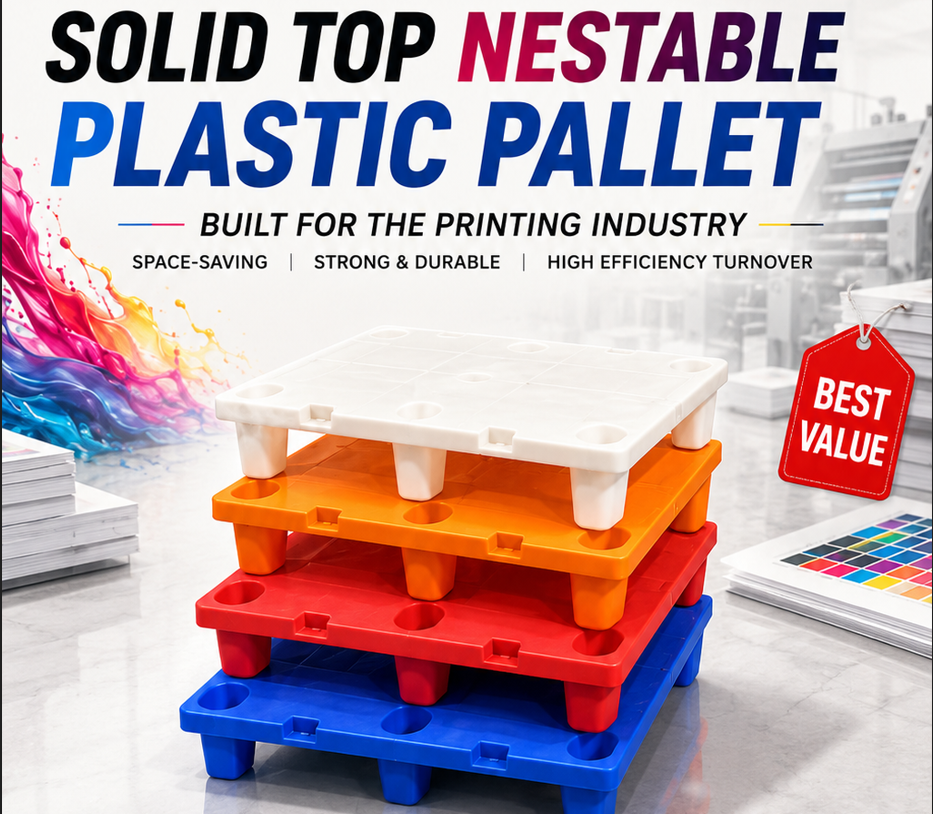
Digital technology empowers packaging, and intelligent pallet interaction becomes a must-have for brands. “Digital empowerment of packaging design” has also been listed by Innova as one of the five core trends in food and beverage packaging for 2026. Technologies such as AI, AR, QR codes, and block chain have deeply penetrated the packaging pallet field, upgrading packaging from a passive container to a brand interaction touch point.
At the same time, the order structure of brands is also undergoing a fundamental change – from “large quantities, few batches” to “multiple varieties, small batches, fast delivery”. The traditional long-format printing pallet model is difficult to meet such fragmented demands, while digital printing pallet, with its advantages of short runs, flexibility, and variable data, is rapidly occupying the market.
Currently, the printing pallet packaging pallet industry is undergoing a profound transformation: the core driving force of industry competition has shifted from a single comparison of cost and efficiency to the multi-dimensional integration of sustainable development, intelligent pallet automation, resilient supply chains, and experience value creation.
Nowadays, digitalization has upgraded from an optional element in industry development to the lifeline for enterprise survival. Greening has also changed from an added value to an industry entry ticket: those that can survive in this round of competition are no longer just “printing pallet processing factories”, but comprehensive service providers with green certifications, intelligent production, and flexible delivery capabilities.
Post time: Aug-06-2026