
As printing pallet and packaging pallet plants move toward smarter and more automated production, attention is shifting from major printing equipment to smaller details that can affect the entire nonstop pallet workflow. One of these details is pallet standardization. The printing pallet and nonstop pallet are becoming increasingly important in factories that want to connect paper storage, transportation, printing, and finished-product handling into one efficient system.
In a traditional printing plant, different nonstop pallet sizes and structures can create difficulties during material transfer. Forklifts, conveyors, automatic pallet guided vehicles, and printing machines all require stable and predictable handling conditions. A standardized System pallet plastic printing pallet can provide consistent dimensions and reduce problems caused by damaged or uneven wooden pallets.
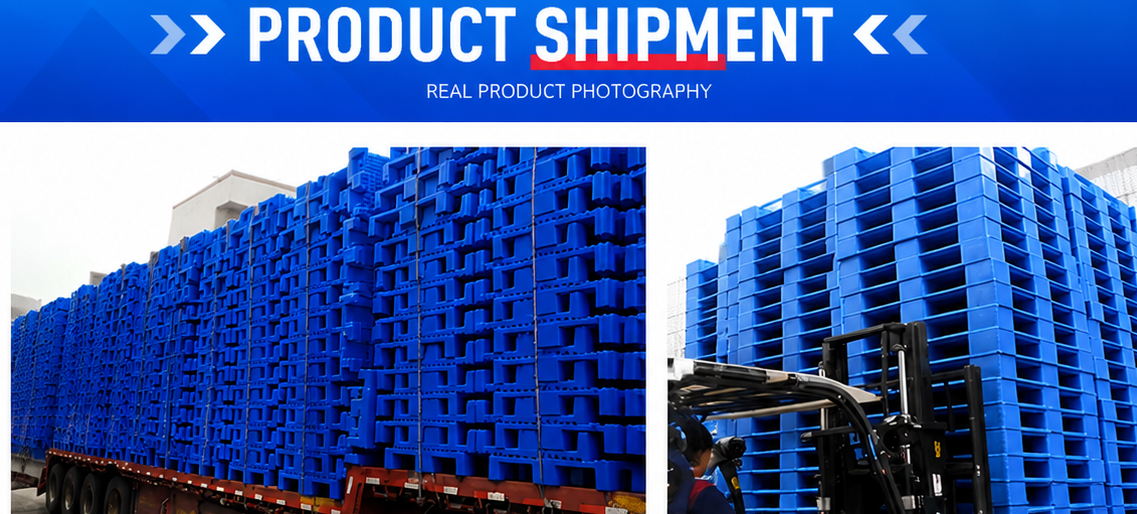
The role of the nonstop pallet becomes even more important around high-speed printing presses pallet. With specially designed grooves, a nonstop pallet allows support bars to hold the paper stack during logistic pallet replacement. This helps operators change pallets while keeping the printing process running.
For smart factories, every unnecessary machine stop can reduce overall equipment pallet efficiency. Using a suitable printing pallet can make paper movement more organized, while a nonstop pallet can help minimize interruptions at the printing pallet stage.
Another advantage of plastic pallet standardization is easier integration with automated pallet warehouse systems. A plastic printing pallet has stable dimensions and can be repeatedly used in controlled nonstop pallet production environments. It can also be identified with labels, barcodes, or RFID systems for better material tracking on the nonstop pallet.
As more printing pallet companies invest in automation, nonstop pallet selection is becoming part of production planning rather than simply a transportation decision. The combination of a standardized printing pallet and a functional nonstop pallet can support smoother material flow between warehouse and printing pallet equipment.
In the future, smart printing factories may rely not only on faster presses and automated robots, but also on standardized logistics pallet equipment. The printing pallet and nonstop pallet are likely to remain important links in building a fully connected printing pallet production system pallet.
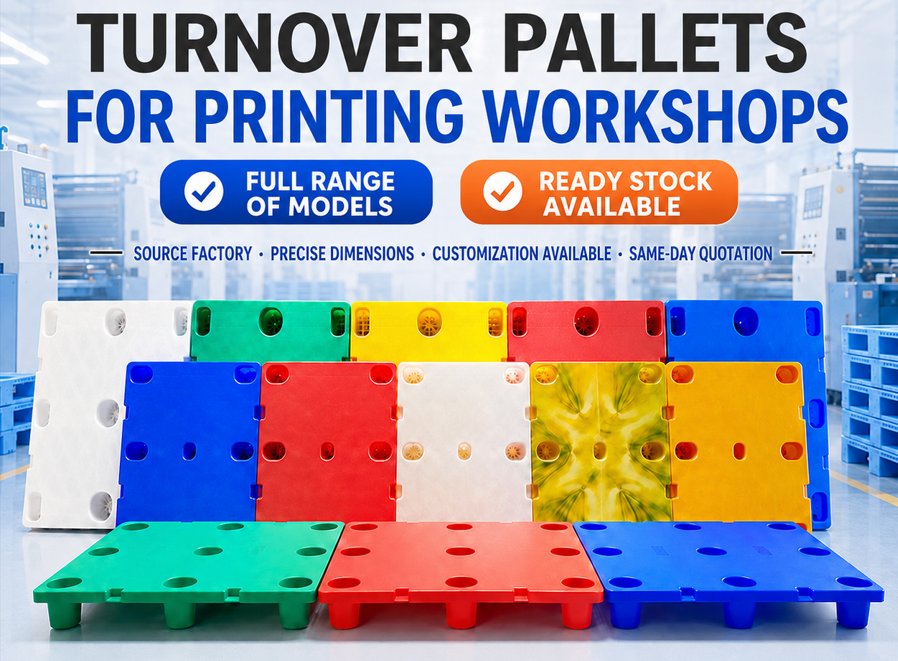
Plastic printing pallets are essential equipment in warehousing and logistics. They are important tools for modern transportation, warehousing and packaging, and are widely used in industries such as food, machinery, automobiles, tobacco, medicine, chemicals, and vertical storage. They have the advantages of light weight, long service life, corrosion resistance, good appearance, high strength, and recyclability. Plastic pallets are widely used warehousing and transportation products and are also indispensable packaging pallets in the printing pallet and packaging pallet industry.
Post time: Sep-18-2026