
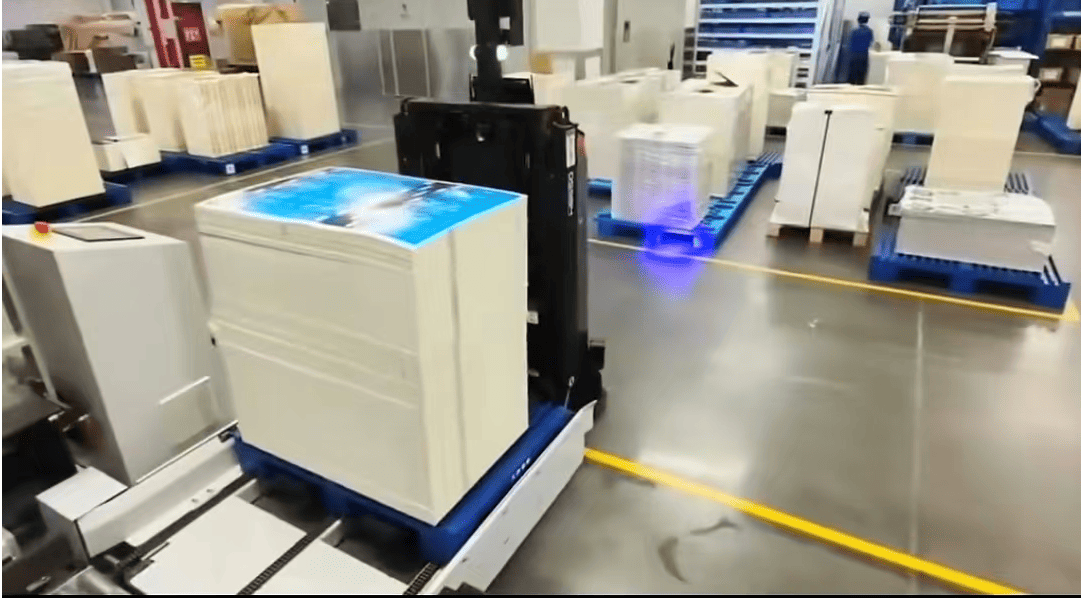
Sustainability remains the core focus for brand owners, but the perspective they prioritize is changing. Previously, recyclability was the primary requirement for packaging pallet nonstop pallet sustainability.
So, what are the new sustainability focuses? A survey shows that brand owners are shifting to a more comprehensive and integrated approach: 37% of brands are concerned with lightweighting and size optimization; 34% of brands value reusability; 30% of brands focus on reducing waste in packaging pallet materials. Analyst Cory Franser pointed out that brands are thinking about packaging issues in a more comprehensive way, rather than just focusing on “how to handle packaging after it is discarded”. They start to pay attention to whether the packaging nonstop pallet can better fit the offset printing machine, whether it can be reused, and how to reduce waste throughout the packaging production and lifecycle.
Providing more inventory units (SKU) is another major priority for the brand at present. The significant increase in the number of SKUs has become a major challenge and opportunity for the printing pallet packaging industry.
The main driving force behind increasing brand SKUs lies in consumers’ demand for nonstop pallet product variety. The expansion of KU not only meets functional differences but also provides an excellent opportunity for SKU expansion and versioning to cater to consumers’ personal interests. This includes printing pallet celebrity endorsements on the packaging pallet or customizing the packaging based on the local professional sports teams supported by consumers. Partly due to the strong demand from consumers for personalization.
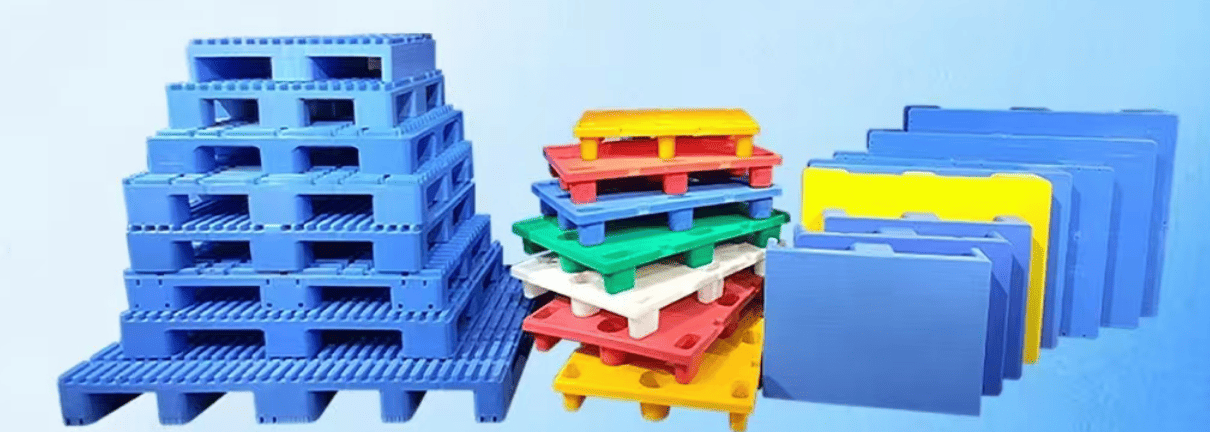
For packaging pallet and labeling pallet suppliers, the significance of decoration and efficiency enhancement should also be fully recognized by the printing pallet.
However, in the 2025 Digital Packaging pallet Survey, 47% of brand owners listed “designing packaging that can influence purchasing decisions” as one of the biggest packaging challenges they face.
Over the next five years, labor shortages, fluctuations in raw material costs, and the strict requirements of the circular economy will be the common challenges faced by all practitioners. Automation is no longer an “option” for investment; it is a “necessity” for survival.
Post time: Jul-10-2026