
Without compromising recyclability, these factories have achieved extraordinary anti-wetness, anti-oil and anti-oxygen properties. The world’s leading paper mills are leading a workshop revolution by directly integrating “dispersed coating” and “biobased barrier technology” into their paper production lines.
In the printing pallet industry, the biggest shortcomings in frozen food and medical applications are the inability to achieve perfect moisture-proof packaging pallet and oxygen-blocking properties like plastic. However, with the rapid advancement of coating technology, barrier functionality has become the core differentiating weapon for major white card paper factories in terms of technology. Therefore, people prefer to use printing pallet to load white card paper, enabling enterprises to achieve one-stop logistics pallet transportation, significantly enhancing the industry’s competitiveness.
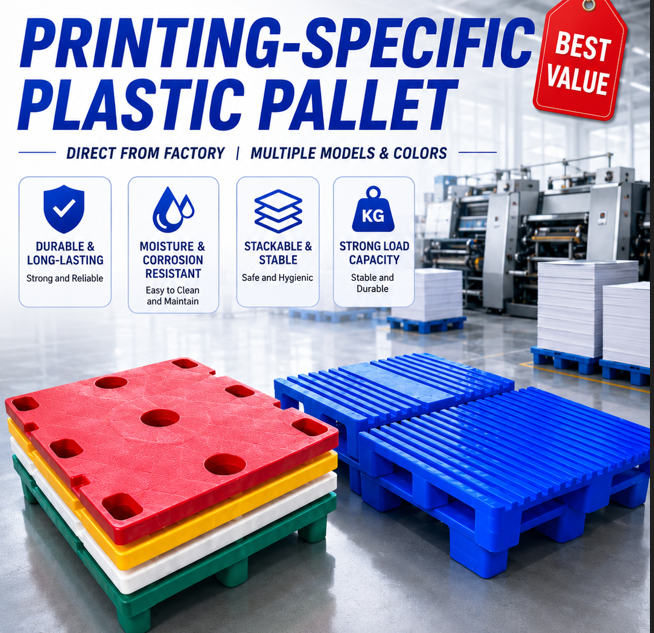
In this technological race, the innovative development momentum of alginate-based coatings and various renewable barrier materials is extremely fierce. Innovative enterprises like Notpla and Kelpi at the forefront of technology are taking the lead in developing new printing pallet technologies that can completely replace the traditional polyethylene liners.
The implementation of these new technologies directly enables white card paper to enter the previously completely dominated high-difficulty fields such as ready-to-eat meal boxes, frozen food processing, food delivery, and high-end personal care products with traditional plastic pallet printing pallet. At the same time, the gradual promotion of dry forming technology is also significantly reducing water consumption and energy consumption in the paper stacking pallet production process, securing great environmental benefits for the entire printing tray packaging supply chain in the low-carbon audit. In the future, white card paper will no longer rely solely on tonnage; instead, it will be determined by who can create higher technological content within this thin barrier coating layer.
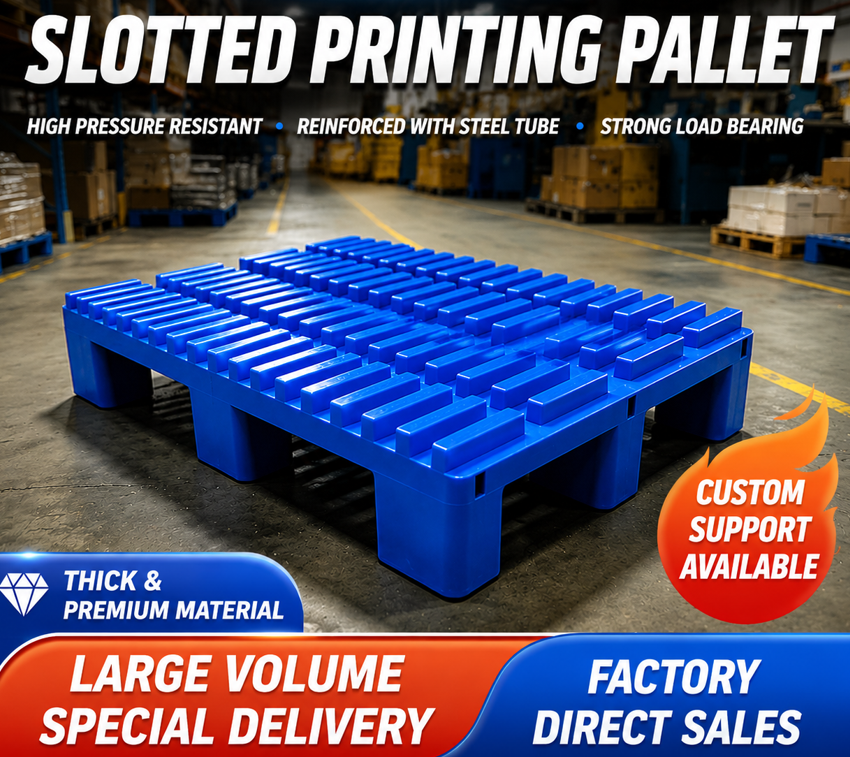
The sharp increase in the price of fiber-based paper, the soaring energy costs, and the huge capital expenditures made to comply with environmental regulations are like three heavy blows, constantly squeezing the profit margins of small and medium-sized paper mills.
With the escalating costs of advanced barrier technologies and modern paper machine renovations, the entry barriers for regional small plastic pallet enterprises have been pushed to an unimaginably high level. Many small factories not only lack the funds to undertake large-scale financing for modernization projects, but also cannot meet the increasingly stringent international environmental protection standards.
The XF printing pallet have withstood the brand’s strict performance requirements, the recyclability stipulated by laws and regulations, and the high paper production costs. Our nonstop pallet will be an important packaging carrier that determines who will win this market in the next decade.
Post time: Aug-24-2026